
How to Keep Your Garden Alive During Summer Heat Without Overwatering
GARDENING ADVICE
6/14/20265 min read
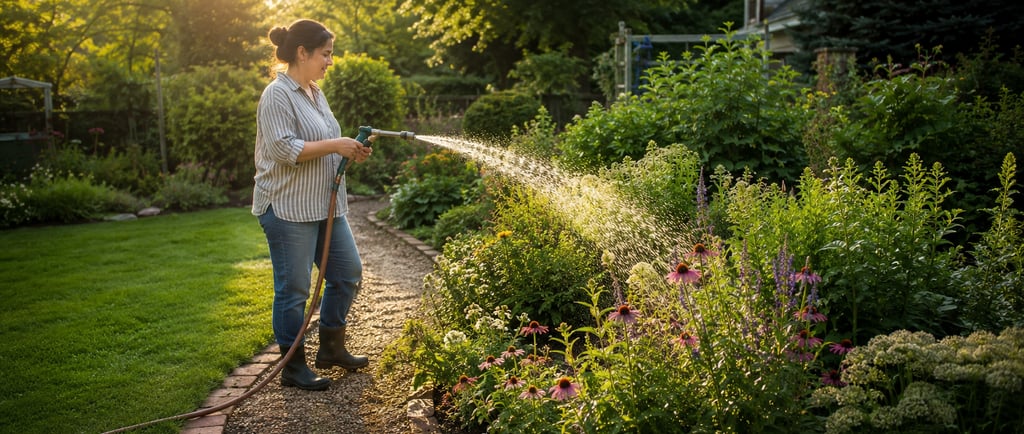
Summer can be one of the most rewarding seasons in the garden. Flowers are blooming, vegetables are growing fast, and outdoor spaces become places we actually want to spend time in. But summer heat also brings one of the most common gardening problems: watering the wrong way.
Many gardeners see wilted leaves on a hot afternoon and immediately assume their plants need more water. Sometimes they do. But just as often, the real issue is not how much water the garden receives, but how and when that water is applied.
Overwatering can be just as harmful as underwatering. It can lead to weak roots, fungal problems, yellowing leaves, and plants that become dependent on frequent shallow watering. The goal is not simply to water more during summer. The goal is to water smarter.
Water Deeply, Not Constantly
One of the best habits a gardener can develop is deep watering.
A quick splash on the surface may make the soil look wet for a short time, but it often does very little for the roots. In hot weather, shallow watering can evaporate quickly before plants receive much benefit. Even worse, it encourages roots to stay close to the surface, where the soil dries out fastest.
Deep watering encourages roots to grow downward, where the soil stays cooler and moisture lasts longer. This creates stronger, more resilient plants that can handle summer heat better.
For many garden beds, it is better to water thoroughly a few times per week than to lightly water every day. Of course, this depends on your soil, plants, weather, and local conditions, but the principle is the same: aim for moisture where the roots actually are.
Check the Soil Before Watering
Before grabbing the hose, check the soil.
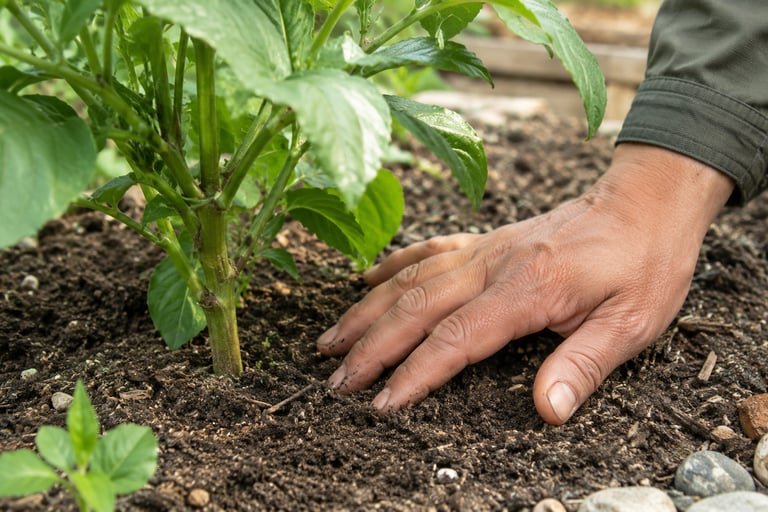
The surface of the soil can look dry while the root zone is still moist. This is especially common if you use mulch or have heavier soil. Instead of watering automatically, push your finger a few inches into the soil near the base of the plant.
If the soil feels cool and slightly moist, you may not need to water yet. If it feels dry several inches down, it is probably time.
A simple soil moisture meter can also be helpful, especially for newer gardeners or anyone growing plants in containers. It removes some of the guesswork and helps prevent both overwatering and underwatering.
Water Early in the Morning
The best time to water most gardens is early in the morning.
Morning watering gives plants time to absorb moisture before the hottest part of the day. It also allows leaves and stems to dry more quickly, which can help reduce disease problems.
Watering in the middle of the day is less efficient because more moisture can evaporate before reaching the root zone. Evening watering can work in some situations, but if foliage stays wet overnight, it may increase the risk of fungal issues.
If your schedule allows, make morning watering part of your summer garden routine.
Focus on the Roots, Not the Leaves
Plants drink through their roots, not their leaves.
When watering, try to direct the water to the soil around the base of each plant. Spraying leaves may look refreshing, but it is not the most effective way to hydrate the plant. Wet foliage can also create conditions that encourage disease, especially in dense plantings.
A watering wand, soaker hose, or drip irrigation system can make this much easier. These tools help deliver water exactly where it is needed while reducing waste.
Use Mulch to Protect the Soil
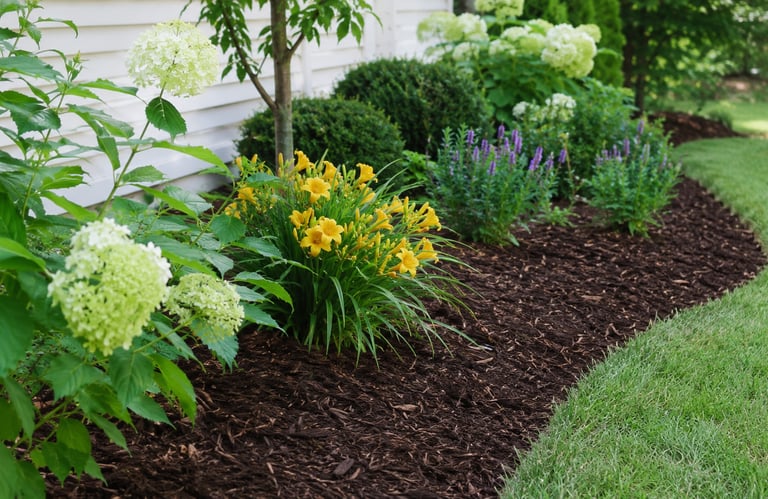
Mulch is one of the simplest ways to help a garden survive summer heat.
A layer of mulch helps keep the soil cooler, slows evaporation, reduces weed growth, and protects roots from temperature swings. Organic mulches such as shredded bark, straw, pine needles, compost, or leaf mold can also improve soil over time as they break down.
For most garden beds, a layer of about two to three inches is usually helpful. Keep mulch slightly away from plant stems and tree trunks to prevent rot.
If your garden dries out too quickly, mulch should be one of the first improvements you make.
Watch for Signs of Overwatering
It is easy to assume that all struggling plants need more water, but overwatered plants can look surprisingly similar to thirsty plants.
Common signs of overwatering include:
Yellowing leaves
Soft or mushy stems
Constantly wet soil
Fungus gnats around containers
Wilting even when the soil is wet
Root rot
If a plant is wilting but the soil is already wet, do not add more water immediately. Give the soil time to dry slightly and check drainage.
Container plants are especially vulnerable because they depend entirely on the drainage holes and potting mix. Always make sure pots have proper drainage.
Containers Need Extra Attention
Potted plants dry out faster than plants growing in the ground.
During extreme summer heat, containers may need water more often, sometimes daily. Small pots, hanging baskets, and plants in full sun are especially vulnerable.
However, the same rule still applies: check the soil first. A large container may stay moist at the bottom even when the top inch looks dry.
For containers, consider using:
High-quality potting mix
Pots with drainage holes
Mulch on the soil surface
Self-watering planters
Moisture meters
Saucers used carefully and emptied when needed
Container gardening is rewarding, but it does require closer observation during summer.
Do Not Forget New Plants
Newly planted flowers, shrubs, trees, and perennials need extra attention during their first season.
Their roots are not yet established, so they cannot search for water as effectively as mature plants. Even drought-tolerant plants need regular watering until they are established.
For new plantings, water deeply and consistently, especially during the first few weeks. After that, gradually encourage deeper root growth by spacing out watering while still monitoring the soil.
A new plant that dries out repeatedly during its first summer may struggle long-term.
Products That Can Help
You do not need expensive equipment to water your garden well, but a few simple tools can make the job easier and more consistent.
Useful watering tools include:
Soil moisture meter
Soaker hose
Drip irrigation kit
Hose timer
Watering wand
Rain gauge
Mulch
Shade cloth for sensitive plants
These tools are not about replacing good gardening instincts. They simply make it easier to understand what your plants need and avoid common watering mistakes.
Final Thoughts
Keeping a garden healthy during summer heat is not about watering constantly. It is about understanding your soil, your plants, and your weather.
Water deeply. Check the soil before watering. Protect the ground with mulch. Focus on the roots. And when possible, use simple tools that help deliver water more efficiently.
A well-watered garden is not the one that receives the most water. It is the one that receives water at the right time, in the right place, and in the right amount.
With a little observation and a smarter watering routine, your garden can stay healthier, stronger, and more beautiful throughout the hottest days of summer.
Consider Soaker Hoses or Drip Irrigation
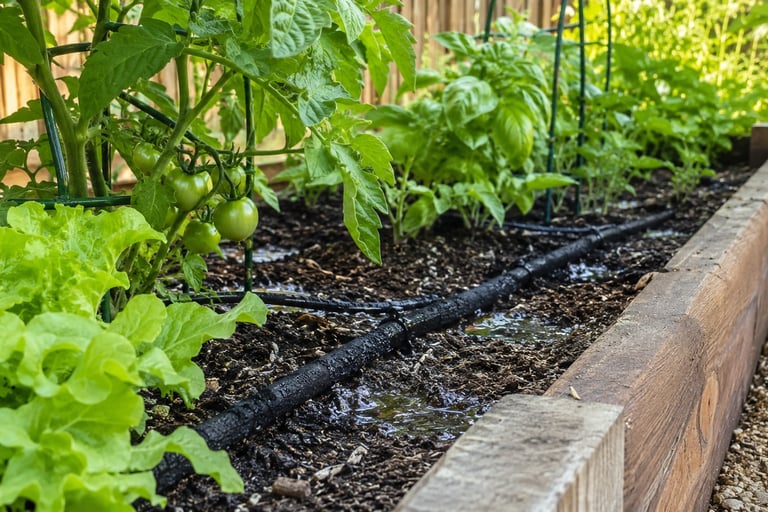
If you want to make watering easier and more efficient, soaker hoses and drip irrigation systems are worth considering.
Unlike sprinklers, which spray water into the air, soaker hoses and drip lines deliver water slowly at soil level. This reduces evaporation and helps moisture reach the roots more effectively.
These systems are especially useful for:
Vegetable gardens
Raised beds
Flower borders
Foundation plantings
Hedges
Newly planted shrubs
A basic hose timer can make the setup even more convenient. It allows you to water consistently without forgetting to turn the hose on or off.
You do not need a complicated irrigation system to see benefits. Even a simple soaker hose placed under mulch can make a big difference during hot weather.
© My Heavenly Garden 2026. All rights reserved.
Follow me:
Affiliate Disclosure
This website contains affiliate links. I may earn a commission if you make a purchase through these links, at no extra cost to you.